
Residential vs Commercial Construction: What’s the Difference?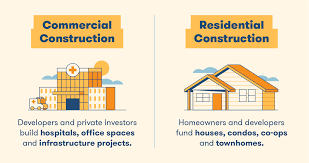
Residential vs Commercial Construction
Construction projects vary widely depending on their purpose. Understanding the difference between residential and commercial construction is essential when planning your next build.
Residential construction focuses on homes, apartments, and living spaces designed for comfort and daily functionality. Commercial construction, on the other hand, includes offices, schools, warehouses, retail stores, and public buildings that must meet stricter safety and structural requirements.
At B&A Construction, we handle projects with a clear understanding of these differences to ensure proper planning and execution.
What Is Residential Construction?
Residential construction involves building spaces intended for living. This includes:
-
Single-family homes
-
Multi-family houses
-
Apartments
-
Townhouses
-
Home renovations and extensions
Key Characteristics of Residential Projects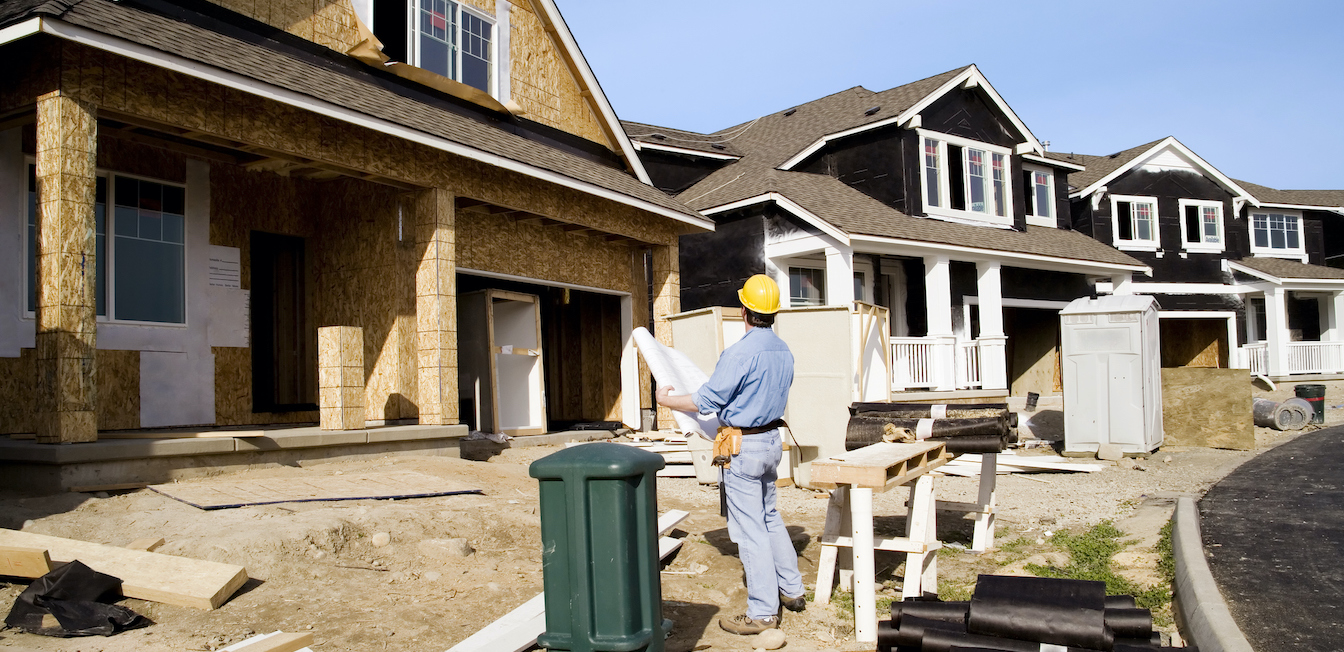
-
Comfort and Design Focus
Layout, aesthetics, and personal preferences play a major role. -
Moderate Load Requirements
Residential buildings typically carry lighter structural loads compared to commercial properties. -
Simpler Regulatory Requirements
While building codes still apply, residential projects usually involve fewer compliance layers than commercial builds. -
Shorter Project Timelines
Most residential projects are smaller in scale and therefore faster to complete.
What Is Commercial Construction?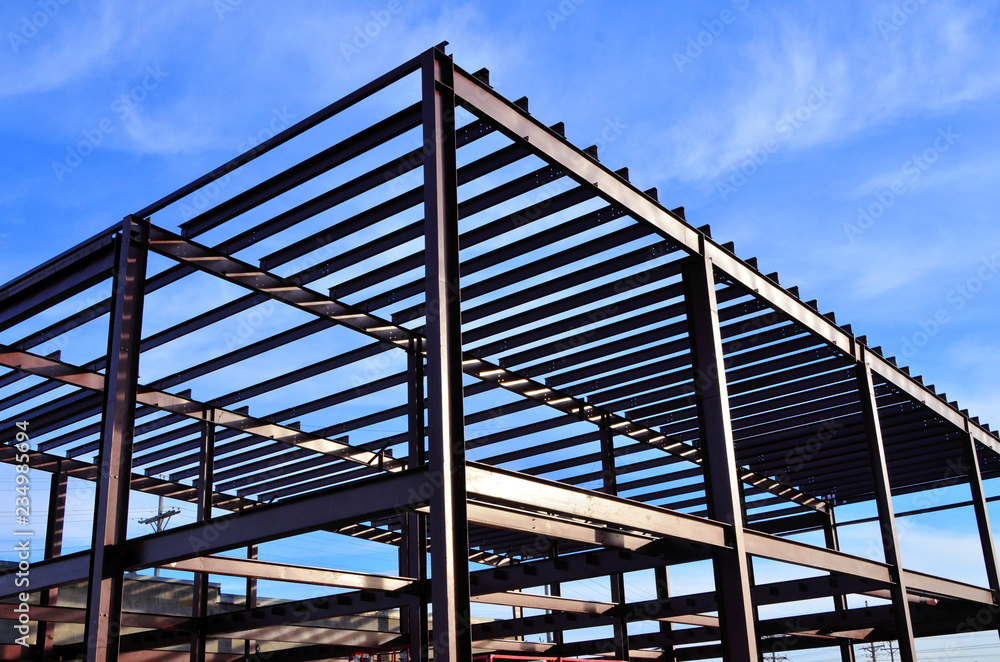
Commercial construction refers to projects built for business or public use. Examples include:
-
Office buildings
-
Schools
-
Warehouses
-
Medical facilities
-
Government buildings
Key Characteristics of Commercial Projects
-
Higher Structural Demands
Commercial buildings must support heavier loads, increased foot traffic, and sometimes large machinery. -
Stricter Safety Regulations
Fire codes, accessibility standards, and occupational safety laws are more extensive. -
Complex Planning and Permits
Commercial projects often require detailed architectural planning, engineering approvals, and multiple inspections. -
Longer Timelines and Larger Budgets
These projects typically involve more materials, labor, and coordination.
Major Differences Between Residential and Commercial Construction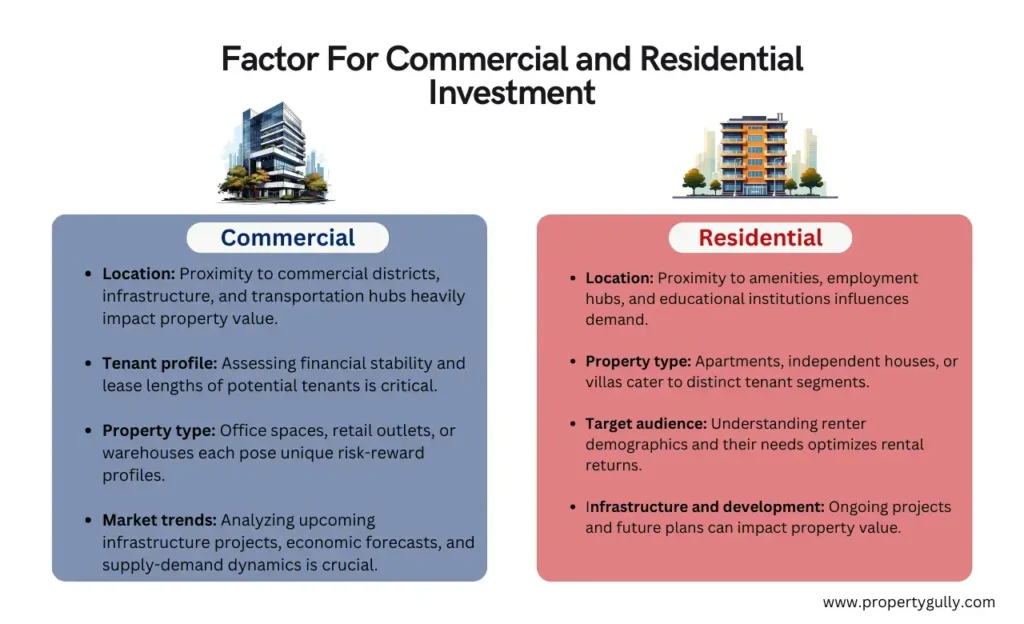
1. Materials Used
Commercial projects often require:
-
Reinforced concrete systems
-
Steel framing
-
Advanced HVAC systems
Residential projects typically use:
-
Block or timber framing
-
Standard concrete foundations
-
Lighter roofing systems
-
Decorative finishing materials
2. Design and Engineering
Residential design focuses on comfort and style, while commercial design prioritizes:
-
Functionality
-
Safety compliance
-
Space efficiency
-
Accessibility standards
3. Project Management Complexity
Commercial construction involves:
-
Multiple subcontractors
-
Detailed scheduling
-
Regulatory inspections
Residential projects usually require fewer coordination layers.
Why Choosing the Right Contractor Matters
Hiring a contractor experienced in the specific type of construction you need is critical. A residential contractor may not be fully equipped for commercial structural demands, and vice versa.
At B&A Construction, we assess each project individually to ensure proper materials, safety standards, and planning methods are applied.
Which Type of Construction Do You Need?
You likely need residential construction if:
-
You are building or renovating a home
-
You want aesthetic upgrades
-
You are improving the living space functionality
You likely need commercial construction if:
-
The project requires a higher occupancy capacity
-
The structure must meet advanced safety regulations
Understanding the distinction ensures better planning and stronger results.
Conclusion
Residential and commercial construction differ significantly in materials, planning, structural requirements, and regulatory standards. While both require expertise and professionalism, the approach varies based on purpose and scale.
At B&A Construction, we tailor every project to its specific requirements — whether residential comfort or commercial durability.
Build according to purpose. Plan according to standards. Execute with precision.


No comments:
Post a Comment