
The Importance of Proper Planning in Construction Projects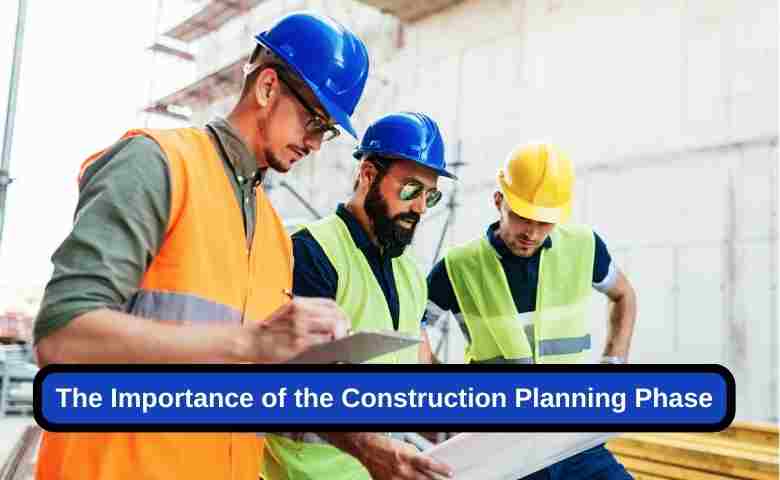
How to Plan a Construction Project from Start to Finish
Planning is the foundation of every successful construction project. Whether you are building a new home, expanding a commercial space, or renovating an existing property, proper planning reduces delays, controls costs, and prevents expensive mistakes.
At B&A Construction, we have seen firsthand how structured planning determines whether a project runs smoothly or becomes a financial burden. A well-planned project leads to stronger structures, better finishes, and satisfied clients.
Why Planning Is Critical in Construction
Construction involves multiple moving parts — labor, materials, weather conditions, structural engineering, and budgeting. Without a clear plan, small issues can quickly escalate into major problems.
Proper planning helps:
-
Prevent material waste
-
Avoid structural errors
-
Reduce labor inefficiencies
-
Improve safety standards
-
Keep the project within budget
When planning is done correctly, execution becomes organised and efficient.
Step 1: Define the Project Scope Clearly
The first and most important step is defining the full scope of work.
This includes:
-
Foundation type
-
Wall and roofing system
-
Flooring specifications
-
Finishing details
-
Electrical and plumbing considerations
A clearly defined scope allows contractors and workers to understand expectations from the beginning. It also prevents costly design changes halfway through construction.
At B&A Construction, we ensure all project details are discussed and documented before work begins.
Step 2: Establish a Realistic Budget
Budget planning goes beyond estimating material costs. It must include:
-
Equipment rental
-
Transportation
-
Permits and inspections
-
Contingency funds (for unexpected expenses)
Without proper budgeting, projects often stall due to cash-flow issues.
A realistic construction budget ensures the project continues without interruption and maintains quality standards.
Step 3: Conduct a Proper Site Assessment
Site assessment is a critical but often overlooked stage.
Before construction begins, it is essential to evaluate:
-
Soil condition and load-bearing capacity
-
Drainage patterns and water flow
-
Accessibility for equipment and materials
Ignoring site conditions can lead to foundation cracks, water damage, or structural instability later.
A professional site assessment protects your long-term investment.
Step 4: Develop a Realistic Timeline
Construction delays are common, but proper planning minimises disruptions.
Common causes of delays include:
-
Weather conditions
-
Material shortages
-
Design modifications
-
Labor scheduling conflicts
By creating a practical timeline with buffer periods, contractors can maintain steady progress while adjusting for unforeseen circumstances.
At B&A Construction, we prioritise scheduling accuracy to ensure timely project completion without compromising quality.
Benefits of Proper Construction Planning
✔ Reduced financial risk
✔ Improved structural durability
✔ Faster project completion
✔ Better coordination between trades
✔ Higher overall property value
Planning is not just paperwork — it is the backbone of structural success.
Conclusion
Every successful construction project begins long before the first block is laid or the first batch of concrete is poured. Clear project scope, accurate budgeting, thorough site assessment, and realistic scheduling are the pillars of efficient construction.
At B & A Construction, proper planning builds stronger, safer, and more valuable structures.
Plan properly. Build confidently. Finish strong.


No comments:
Post a Comment